Residential Plumbing Installation: What to Expect When Hiring a Professional Plumber
What Is Residential Plumbing Installation?
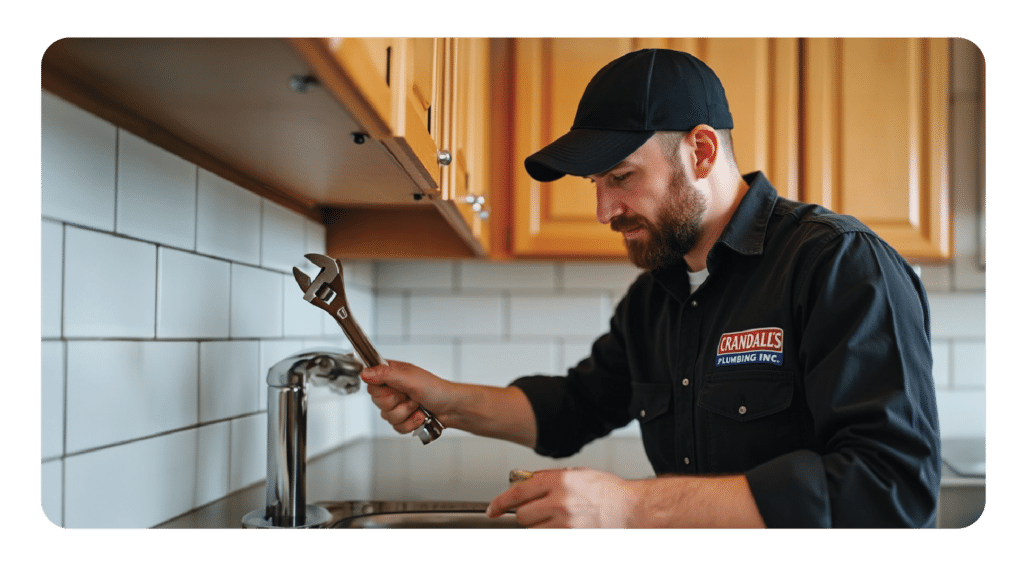
Residential plumbing installation involves designing and setting up the water supply and waste removal systems that serve your home. This includes installing supply lines, drainpipes, venting systems, and all connected fixtures such as sinks, toilets, and showers.
While it may appear straightforward, plumbing work must comply with building codes, be sized accurately, and account for proper drainage, pressure regulation, and long-term reliability.
When Do You Need a Plumbing Installation Service?
There are several common scenarios that require the expertise of a licensed plumbing contractor:
New Construction Projects
From piping in concrete slabs to final fixture installations, every new home needs a full plumbing build-out.
Major Remodels or Additions
Updating your kitchen or adding a bathroom means tying into the main water and waste systems properly.
Galvanized or polybutylene pipes degrade over time and can become safety risks. Replacement brings systems up to code and improves water quality.
Damage Repairs
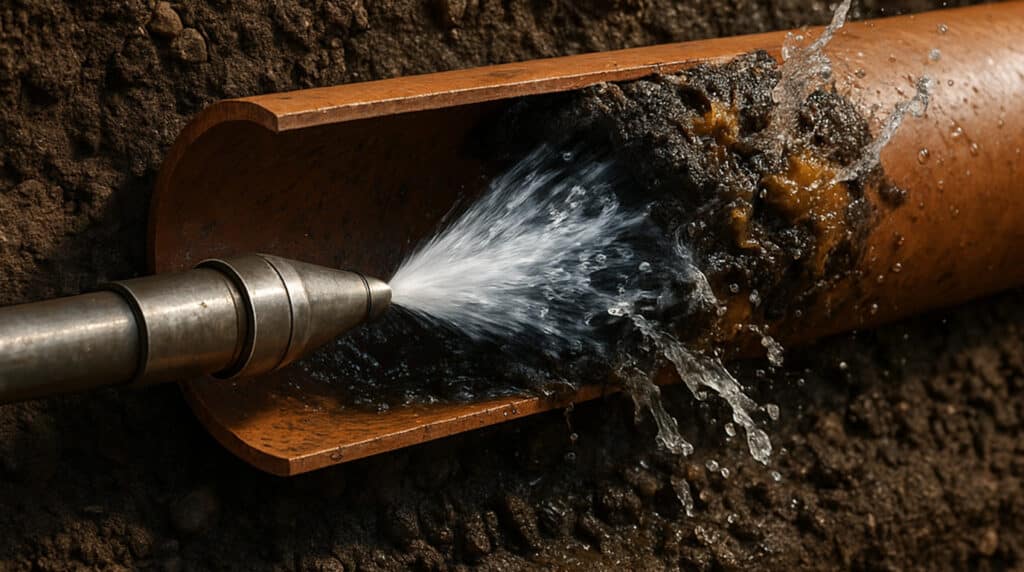
Burst pipes, slab leaks, or sewer line issues may necessitate partial or full re-installation to restore integrity.
The Professional Installation Process, Step by Step
Hiring a professional plumber means your project will follow a reliable, safety-first process. Here’s what to expect:
1. Initial Consultation and Quote
Site inspection to assess project needs
Measurements, code review, and permit checks
Itemized quote outlining labor, materials, and estimated timeline
2. Planning and Permitting
Final plans drawn for pipe routing, fixture placement, and venting
Permit applications submitted to local authorities
Scheduling aligned with other trades (e.g., electricians, framers)
3. Rough-In Installation
Water supply lines and waste pipes installed before walls close
Pressure tests performed to identify leaks early
Pipe insulation added in cold-prone areas
4. Fixture Setup and Connection
Toilets, faucets, tubs, and water heaters securely installed
Systems flushed and tested for proper flow, drainage, and temperature control
5. Final Testing and Inspection
Comprehensive walk-through with the plumber
Code compliance review with inspectors
Warranty terms explained and documented
Why Hire a Licensed Plumber Instead of DIY?
Many homeowners consider taking on plumbing work to save money but even small errors can lead to costly damage. Here’s why hiring a licensed pro is the safer route:
Compliance and Permits
Professional plumbers know local regulations, saving you from code violations and failed inspections.
Experience with Complex Layouts
Split-level homes, slab foundations, or older infrastructure can present challenges only a trained eye can navigate.
Warranty and Accountability
Workmanship warranties and liability coverage protect your investment and home.
Real-World Scenarios
For example, a homeowner once installed a shower drain that wasn’t properly sloped—leading to slow drainage and mold within the walls. A licensed plumber would’ve caught this during rough-in.
Common DIY Plumbing Mistakes (And Their Cost)
Understanding what can go wrong helps emphasize the value of professional service:
Mistake
Common Result
Long-Term Cost
Using incompatible pipe materials
Joint failures, corrosion
$2,000+ for rework
Incorrect venting
Sewer gas leaks
Health hazard, city fines
Inadequate pipe slope
Standing water, clogs
Frequent backups, mold growth
No permits pulled
Failed inspection
Stop-work orders, resubmission fees
How Long Does a Residential Plumbing Installation Take?
While timing depends on scope, here’s a breakdown of typical durations:
Small Remodels (e.g., bath or kitchen updates): 1–3 days
New Home Construction: 1–2 weeks total, split between rough-in and finish stages
Emergency Replacements: 4–8 hours for water heaters or piping segments
Keep in mind that delays can stem from:
Permit processing times
Coordination with other contractors
Material backorders
What to Ask Before Hiring a Plumbing Contractor
To ensure you hire the right professional, be ready to ask:
Are you licensed and insured for residential work in my city?
Do you handle permit applications and inspections?
Can you provide a project timeline and itemized quote?
What type of materials do you recommend and why?
Is your work covered under warranty? For how long?
Bonus: Checklist: Prepare for Your Residential Plumbing Install
Before your plumber arrives, be sure to:
Clear workspace around fixtures and water entry points
Confirm access to shut-off valves, basements, and crawl spaces
Review project scope and layout one more time
Ask for documentation of permits or inspection schedules
Keep pets or small children out of the work area
This preparation helps your plumber move quickly and efficiently while reducing risk of errors or rework.
Crandall’s Plumbing: Trusted Experts in Residential Installations
Whether you’re building a dream home or upgrading a 30-year-old water system, Crandall’s Plumbing offers the licensed experience and code-compliant service you need. Our team is equipped to handle complex installs, tight timelines, and high expectations, with friendly professionalism and transparent pricing.
We’ll guide you from the first phone call to the final inspection. No guesswork. No shortcuts. Just dependable plumbing done right.