
Discovering a leaking pipe inside your home is one of those moments that instantly sets off alarm bells. Whether it is a quiet drip underneath the kitchen sink, a damp patch spreading across the living room drywall, or a puddle forming near your utility closet, your immediate goal is simple: stop the water before it ruins your property.
Once the initial panic settles, you are faced with a major decision regarding your pipe leak repair: should you simply patch the specific spot where the water is coming out, or is it time to replace a larger section of your plumbing altogether?
While a quick patch can save time and money, applying a band-aid solution to a severely degraded plumbing network can lead to disastrous water damage down the road. Knowing how to assess the condition of your lines helps you make the right choice for your home and budget.
Identifying the Source of the Leak and Assessing Pipe Condition
Before deciding on a fix, a professional plumber must locate the exact source of the leak and evaluate the surrounding material. Not all leaks are created equal, and where the water escapes tells a big story about the health of your system.
Examining the Pipe Material
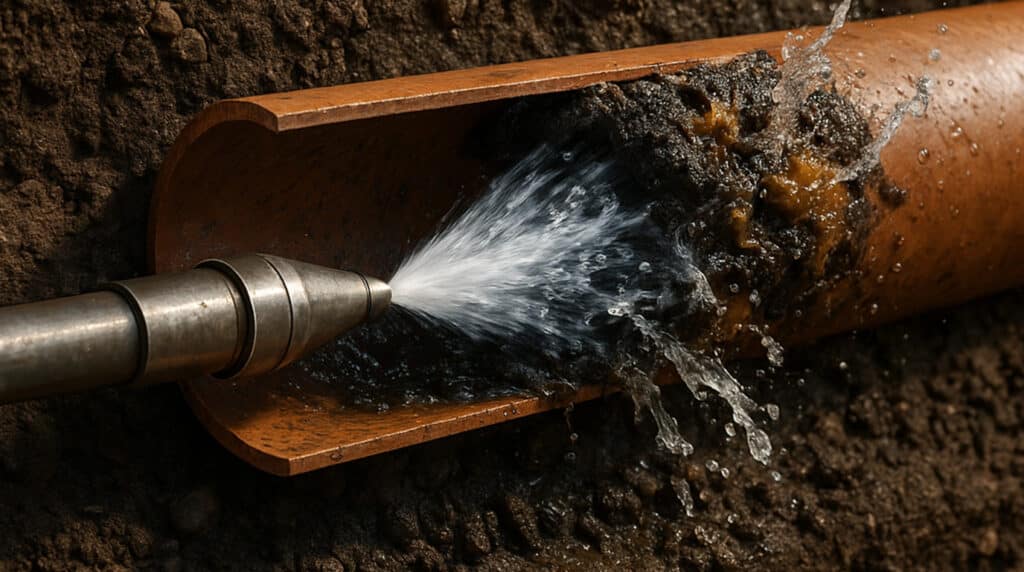
If your home relies on a traditional copper pipe network, a single pinhole leak might be caused by localized turbulence or a manufacturing flaw. However, if that copper line is showing blue-green oxidation, thinning walls, or widespread corrosion throughout the surrounding area, patching one small hole will not solve the underlying issue.
Pinpointing the Vulnerability
Location matters just as much as material. Is the water escaping from a straight, solid section of pipe, or is it leaking directly from a pipe joint, elbow, or threaded fitting? Leaks at joints often point to improper installation, high water pressure, or mechanical stress that a simple surface patch cannot permanently fix.
Understanding Temporary Fixes for Minor Leaks

When water is actively leaking, taking immediate action can prevent thousands of dollars in drywall, flooring, and cabinet damage while you wait for a licensed plumber to arrive.
Quick-Fix Options
For small leaks and minor leaks, several temporary options can hold off the water short-term:
- Repair Clamps: A metal repair clamp lined with a thick rubber gasket can be bolted tightly over a pinhole leak on a straight run of pipe to stop active spraying.
- Plumbing Tape: Self-amalgamating silicone tape wrapped tightly around a low-pressure line can temporarily retard dripping.
The Role of Epoxy Putty
Specialized epoxy putty is another popular emergency tool. When kneaded together and pressed firmly over a cleaned, dry surface, it hardens into a dense barrier over small cracks or punctures.
It is crucial to remember that these methods are strictly temporary fixes. While they work well in an emergency, they are not engineered to withstand continuous municipal pressure indefinitely. Leaving a temporary patch on pressurized supply lines long-term is a recipe for a sudden, unexpected blowout.
When Spot Patching Is an Appropriate Solution
Spot patching or cutting out a small 6-inch to 12-inch section of pipe and replacing it with fresh material is a completely valid, cost-effective strategy under the right circumstances.
Patching makes the most sense when:
- The Damage Is Isolated: A stray construction nail punctured a pipe behind a wall, or an exterior object physically scraped the line.
- The Surrounding Pipe Is Healthy: The rest of the water supply system shows zero signs of corrosion, mineral buildup, or thinning.
- Thermal Stress on Hot Water Lines: Thermal expansion occasionally stresses a single point on a pressurized hot water line. If the rest of the run is structurally sound, replacing that isolated fitting or section resolves the issue cleanly.
In these scenarios, executing a targeted spot repair solves the problem without forcing you into an unnecessary, expensive overhaul.
When Full Replacement Is Required for Permanent Repairs
Patching has its limits. If your plumbing system is reaching the end of its natural lifespan, attempting to patch individual holes becomes a game of whack-a-mole.
[Systemic Aging / Corrosion] —> Patch Spot A —> Pressure Shifts —> Leak Appears at Spot B
(Temporary Fix) (Repeat Failure)
You should opt for a full section replacement or repiping when dealing with:
Widespread Internal Corrosion
When older pipes corrode from the inside out, the metal walls become extremely thin. Soldering or clamping a new piece onto compromised metal often weakens the surrounding area further. Fixing one spot increases pressure slightly downstream, triggering a new leak just a few feet away days later.
Chronic, Recurring Leaky Pipes
If you find yourself calling for pipe repair every few months for different leaky pipes across your home, you are no longer dealing with isolated incidents—you are dealing with systemic failure. Continual spot repairs quickly add up to more money than a proper, one-time replacement.
Investing in Permanent Repairs
Opting for modern replacement materials like thick L-grade copper or high-durability PEX tubing delivers true permanent repairs. Replacing aging lines restores proper water pressure, protects your home’s structural foundation, and provides long-term peace of mind.
The Role of Professional Estimating in Choosing the Right Option
The line between a simple spot repair and a necessary replacement is not always obvious to the naked eye. Homeowners are often left wondering if a contractor is recommending a full repipe because it is truly necessary, or simply because it is a larger job.
This is where working with a transparent, full-service plumbing team makes all the difference. An experienced contractor conducts a thorough evaluation, inspecting water pressure levels, pipe wall integrity, and overall system age to give you an honest recommendation.
By having an expert in-office estimator review the scope of work before any major demolition begins, you get a clear, accurate breakdown of costs for both patching and replacement options. This ensures you only pay for the work your home actually needs.
Secure an Honest Evaluation for Your Home
Whether you are dealing with a minor drip under a vanity or suspect a major leak hidden inside your walls, taking swift action is the best way to safeguard your property. Matching the right repair strategy to the actual condition of your plumbing keeps your home safe and your budget on track.
At Crandall’s Plumbing, our experienced team delivers elite craftsmanship for all your pipe leak repair needs. From quick, diagnostic interventions to full structural system replacements, we evaluate your plumbing with complete transparency.
With an experienced and expert estimator in our office, we are fully equipped to provide clear, detailed bids for your project. No job is too big for our dedicated team! Contact Crandall’s Plumbing today to schedule your inspection and get your water lines performing flawlessly again.