Residential and Commercial Plumbing & HVAC Services

Text us at (714) 465-7819

Blog

slab leak detection

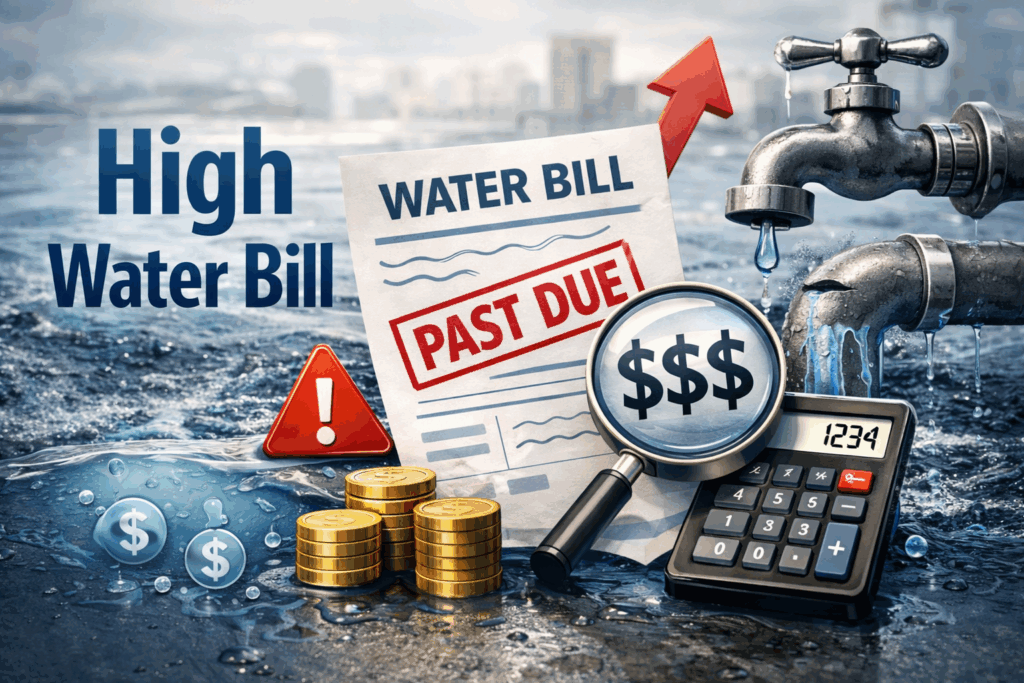
High Water Bill but No Visible Leak? Here’s What It Could Mean

Opening your utility bill and seeing an unexpected spike without any obvious leaks in sight can be frustrating and confusing. If your water bills keep climbing and nothing appears wrong, the issue may be hidden deep within your plumbing system. One of the most common (and costly) culprits is a slab leak, which often requires professional slab leak detection to uncover.   Understanding what causes unexplained water usage can help you act early and avoid significant damage to your home. Why Your Water Bill Can Spike Without a Visible Leak Not all water leaks show up as dripping faucets or puddles under sinks. Many occur out of sight, making them harder to detect until your water bill tells the story. Common hidden causes include: Leaks beneath concrete slab foundations Damaged underground water lines Slow leaks behind walls or under flooring Issues within the sewer line or water supply system   Because these problems affect your entire plumbing system, they can waste hundreds of gallons of water before becoming noticeable. What Is a Slab Leak? A slab leak occurs when a water line beneath your home’s concrete foundation begins to leak. These pipes carry water throughout your house, and when they

Read More
plumbing services Orange County

Water Pressure Problems in Orange County Homes: Causes and Fixes

Water pressure issues can be a frustrating and costly problem for any home or business in Orange County. From weak showers to slow-filling appliances, inconsistent or low water pressure signals that something deeper may be happening in your plumbing system. Understanding the causes and knowing when to call expert plumbing services in Orange County can save you from bigger repairs down the road. In this guide, we’ll walk through the most common causes of water pressure problems in Orange County and the best ways to fix them. Common Causes of Water Pressure Problems in Orange County Mineral Buildup from Hard Water Hard water is a well-known issue throughout Orange County. Over time, minerals like calcium and magnesium accumulate inside your pipes, reducing the internal diameter and restricting water flow. This buildup also clogs aerators and showerheads, making pressure drop even more noticeable. Aging or Corroded Pipes Many homes in areas like Anaheim, Fullerton, Costa Mesa, and Santa Ana were built decades ago. As pipes age, corrosion, rust, and deterioration limit water flow. Older galvanized steel piping is especially prone to problems. Partially Closed or Faulty Valves Your main shutoff valve or pressure regulator may be partially closed, damaged, or malfunctioning.

Read More
plumbing maintenance

Preventive Maintenance Checklist for Home Plumbing Systems

A well-maintained plumbing system keeps your home comfortable, efficient, and free from unexpected surprises. Yet, most homeowners don’t think about plumbing maintenance until a leak, clog, or water heater failure interrupts their daily life.With a little preventive care and regular inspections, you can avoid costly repairs and extend the life of your home’s plumbing system. Here’s a simple yet comprehensive checklist to help you keep your pipes, fixtures, and water systems in top condition.Your home’s plumbing system works hard every day from delivering clean water to removing waste. Over time, small issues like dripping faucets or low water pressure can turn into major plumbing problems, leading to water damage and expensive repairs.By practicing regular plumbing maintenance, you can: Prevent leaks and clogs before they cause damage Reduce your water bills Maintain optimal water pressure Extend the lifespan of your pipes and fixtures Avoid sudden plumbing emergencies 👉 Learn more about the benefits of regular plumbing maintenance and how it protects your home from costly water issues. Your Home Plumbing Maintenance Checklist Follow these essential steps to keep your plumbing system running efficiently year-round. 1. Inspect Faucets and Shower Heads Dripping faucets and clogged shower heads waste water and increase your

Read More
sewer line maintenance

Sewer Line Maintenance: Tips to Prevent Costly Repairs

A properly functioning sewer system is one of those household essentials you rarely think about. Until something goes wrong. From slow drains to unpleasant odors, neglecting sewer line maintenance can lead to inconvenient and expensive plumbing issues. Fortunately, a few simple preventive steps can help you protect your home, avoid emergency repairs, and extend the lifespan of your plumbing system.   Understanding Why Sewer Line Maintenance Matters Your home’s sewer line is responsible for carrying wastewater from your sinks, showers, and toilets to the main city sewer system. Over time, debris, grease, and foreign objects can build up inside the sewer pipe, causing blockages that restrict flow and eventually lead to backups.   Regular sewer line maintenance not only helps keep water flowing freely but also prevents major damage to your property. By taking a proactive approach, you can catch early warning signs and schedule routine inspections before issues escalate into costly repairs.   Common Causes of Sewer Line Problems Sewer line issues can develop from several factors. Some avoidable, others not. Here are the most common causes homeowners should watch out for: Tree root intrusion: Roots seek out water sources and can infiltrate your sewer line, cracking or blocking

Read More
grease trap maintenance

Grease Trap Maintenance for Restaurants: Best Practices & Common Mistakes

Running a successful restaurant requires more than delicious food and great customer service. It also depends on a reliable plumbing system. One of the most overlooked yet critical components in any commercial kitchen is the grease trap. Without proper care, a poorly maintained grease trap can lead to foul odors, clogged drainage systems, health code violations, and expensive emergency repairs.This article explores the best practices for grease trap maintenance, common mistakes restaurant owners make, and when to call in professional help. What Is a Grease Trap and Why Does It Matter? A grease trap, sometimes called a grease interceptor, is a plumbing device designed to capture fats, oils, and grease (FOG) before they enter the drainage system. In busy commercial settings like restaurants, grease traps are essential for preventing clogs, maintaining compliance with health regulations, and avoiding environmental damage.Without regular maintenance, a grease trap can overflow, creating messy backups and exposing your business to hefty fines. Best Practices for Grease Trap Maintenance Schedule Regular Cleaning Restaurants typically need to clean grease traps every 1–3 months, depending on kitchen size and usage. Setting a maintenance schedule ensures the trap doesn’t reach capacity and avoids emergency issues. Hire Professionals for Thorough Service

Read More
plumbing tips

How to Lower Your Water Bill with Simple Plumbing Fixes

Rising water bills can sneak up on homeowners. What many people don’t realize is that even small plumbing issues can lead to wasted gallons of water every month. The good news? You don’t always need a major overhaul to cut costs. With a few practical plumbing tips, you can lower your water bill, prevent water damage, and keep your home’s plumbing system running efficiently. Below, we’ll cover simple fixes that can make a big difference for your wallet and when it’s time to call a professional plumber for help. Check for Hidden Leaks in Your Water Lines Leaks are one of the biggest culprits behind high water bills. A dripping faucet might seem harmless, but it can waste hundreds of gallons a year. Even worse, hidden leaks inside your walls or underground water lines can quietly drive up costs and cause serious water damage over time. Quick tip: Add a few drops of food coloring to your toilet tank. If the color seeps into the bowl without flushing, you’ve got a leak. For small leaks, tightening connections or replacing worn washers may do the trick. But if you suspect a bigger issue, don’t wait—get help from a professional plumber. Major

Read More
plumbing installation

Residential Plumbing Installation: What Homeowners Should Expect

When building a new home or upgrading an existing one, plumbing installation is one of the most important steps. A properly installed system ensures reliable water supply, efficient drainage, and long-term safety for your household. If you’re preparing for a residential plumbing installation, here’s what you should know about the process, what to expect, and how to prepare. Why Proper Plumbing Installation Matters Plumbing isn’t just about convenience—it’s essential for sanitation, comfort, and overall home value. Poor installation can lead to leaks, water damage, mold, or costly repairs down the road. That’s why working with licensed professionals is key to making sure your system is efficient, durable, and code-compliant. Key Steps in the Plumbing Installation Process 1. Initial Inspection and Planning Before any work begins, your plumber will evaluate your home’s structure and create a layout for water supply lines, drain pipes, and fixtures. This planning stage ensures that your system will meet both your needs and local building codes. 2. Installing Water Supply and Drain Lines During rough-in plumbing, pipes are laid out for both clean water and waste drainage. Proper slope, alignment, and materials are crucial to prevent future problems. 3. Fixture Installation After the rough-in is complete,

Read More
sewer line inspection

Signs You Need a Sewer Line Inspection and How Camera Inspections Can Save You Money

Plumbing issues can be a major headache for any homeowner. From slow-draining sinks to gurgling toilets, these frustrations are often a sign of a larger, more serious problem hidden deep within your sewer system. While a simple clog can sometimes be fixed with a plunger, persistent issues often point to a sewer line problem that requires a professional sewer line inspection.   Hidden Dangers: 5 Signs of a Sewer Line Problem Don’t wait for a plumbing disaster to strike. Be on the lookout for these common warning signs that indicate it’s time for a professional sewer line camera inspection: Slow Drains in Multiple Fixtures: If drains in your kitchen, bathroom, and laundry room are all draining sluggishly, the issue likely isn’t a small, isolated clog. It’s often a symptom of a blockage in the main sewer line. Unpleasant Odors: The smell of sewage coming from your drains or even in your yard is a clear indicator that sewer gases are escaping from a break or clog in the sewer pipes. Gurgling Noises: Gurgling toilets or drains are a sign of air trapped in your sewer system. As water flows, it displaces this air, creating the gurgling sound and indicating a

Read More
Signs Your Water Heater Is Failing

5 Signs Your Water Heater Is Failing (And Why Professional Installation Matters in California Homes)

Your water heater works quietly behind the scenes—until it doesn’t. If you’re starting to notice rusty water, odd noises, or inconsistent heat, these may be warning signs your water heater is failing. Ignoring these signs can lead to unexpected cold showers, water damage, or even costly emergency repairs.In this article, we’ll help you recognize the most common signs of water heater failure and explain why professional installation is essential—especially for homeowners in California. 5 Warning Signs Your Water Heater Is About to Fail 1. Rusty Water or a Metallic Taste If your hot water appears discolored or has a metallic taste, it may be due to rust forming inside the water heater tank. Over time, corrosion compromises the structural integrity of the tank and could lead to leaks or bursts—clear signs it’s time to replace the water heater. 2. Inconsistent Hot Water Supply If you’re experiencing random changes in water temperature or running out of hot water too quickly, your water heater’s heating element could be wearing out. This is a common sign your system is struggling to perform efficiently and may need repair or replacement. 3. Popping or Rumbling Noises Sediment buildup inside the tank can cause strange noises

Read More

Residential Plumbing Installation: What to Expect When Hiring a Professional Plumber

What Is Residential Plumbing Installation? Residential plumbing installation involves designing and setting up the water supply and waste removal systems that serve your home. This includes installing supply lines, drainpipes, venting systems, and all connected fixtures such as sinks, toilets, and showers.   While it may appear straightforward, plumbing work must comply with building codes, be sized accurately, and account for proper drainage, pressure regulation, and long-term reliability. When Do You Need a Plumbing Installation Service? There are several common scenarios that require the expertise of a licensed plumbing contractor: New Construction Projects From piping in concrete slabs to final fixture installations, every new home needs a full plumbing build-out. Major Remodels or Additions Updating your kitchen or adding a bathroom means tying into the main water and waste systems properly. System Replacements Galvanized or polybutylene pipes degrade over time and can become safety risks. Replacement brings systems up to code and improves water quality. Damage Repairs Burst pipes, slab leaks, or sewer line issues may necessitate partial or full re-installation to restore integrity. The Professional Installation Process, Step by Step Hiring a professional plumber means your project will follow a reliable, safety-first process. Here’s what to expect: 1. Initial

Read More