Effective Corrosion Prevention Techniques for Your Water Heater
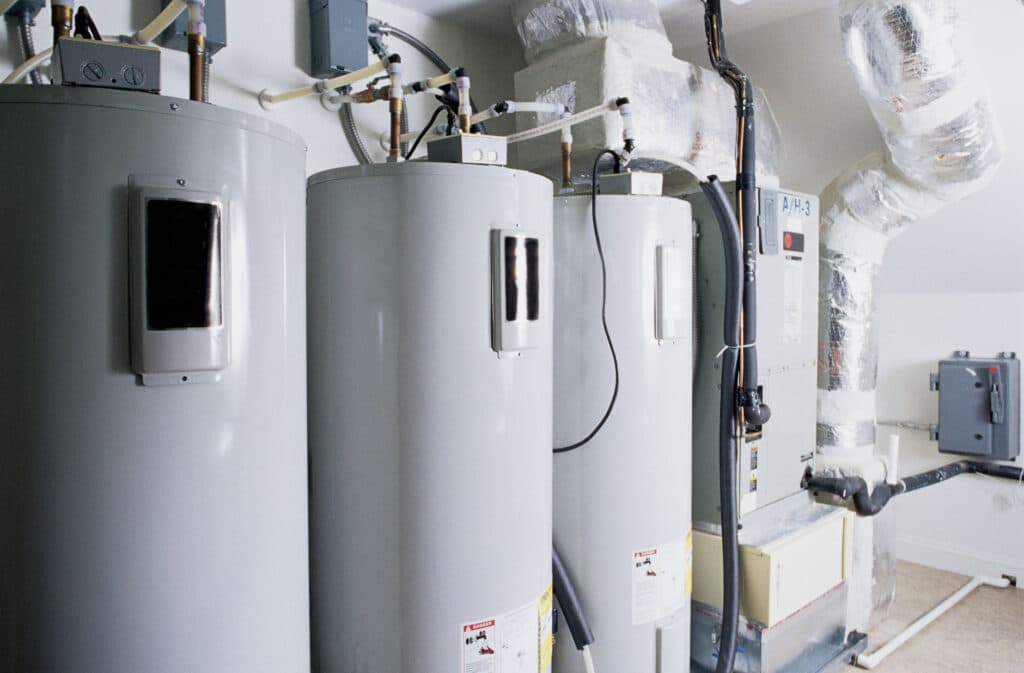
A water heater is one of the most vital appliances in your home, providing the hot water necessary for daily tasks like bathing, cooking, and cleaning. However, like all appliances, your water heater requires regular maintenance to function efficiently and last longer. One of the most significant threats to your water heater’s longevity is corrosion. If left unchecked, corrosion can lead to costly repairs, decreased efficiency, and even complete water heater failure. By understanding the causes of corrosion and implementing effective corrosion prevention techniques, you can protect your investment and ensure a continuous hot water supply for your household. Understanding Corrosion Corrosion is a natural process that occurs when metal reacts with environmental elements like water, oxygen, or chemicals. Over time, this reaction leads to the deterioration of the metal, weakening its structure and leading to failures. In the context of water heaters, corrosion typically manifests as rust, which can compromise the tank’s integrity and lead to leaks or even catastrophic failure.The most common sign of corrosion in water heaters is the presence of rust-colored water when you turn on the hot water tap. You might also notice rust or corrosion on the tank’s exterior, particularly around the seams and